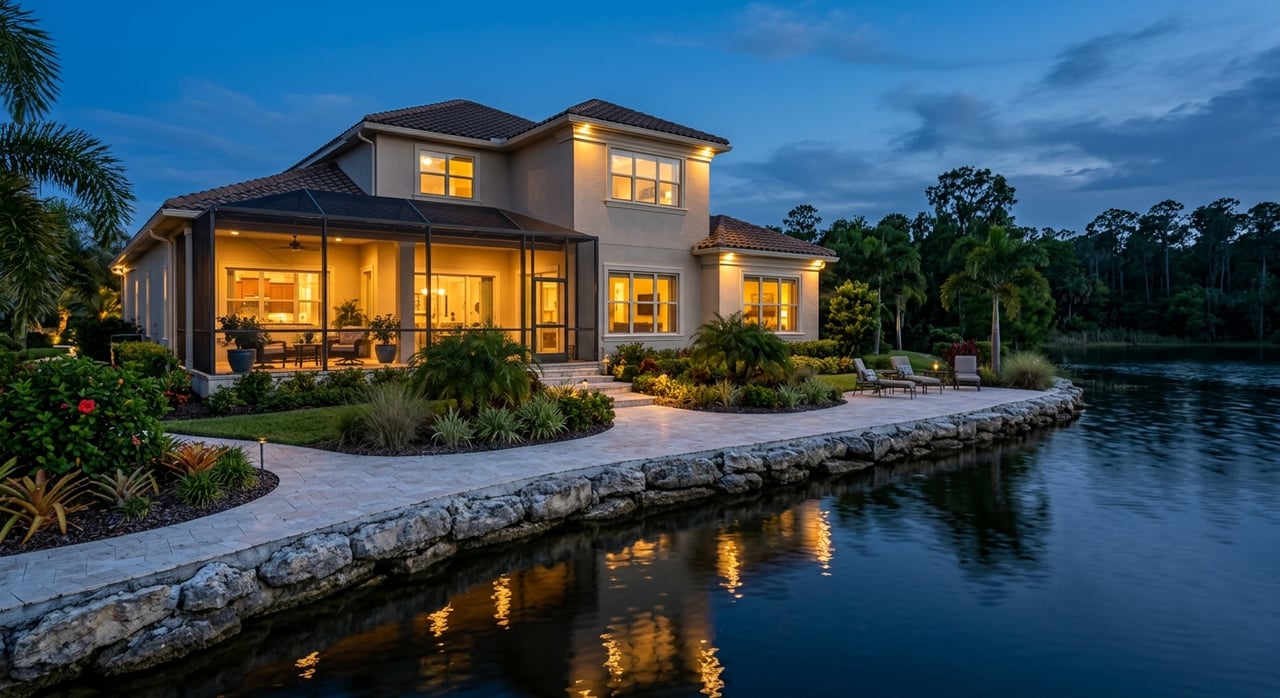
A Guide to Winter Park Chain of Lakes Living
If you picture Winter Park as a place you visit for brunch or a boat tour, you are only seeing part of the story. The Chain of Lakes shapes daily life here in a way that feels both scenic and practical, giving you easy access to the water, a walkable downtown rhythm, and a historic residential setting that feels rooted rather than resort-like. If you are considering a move, a second home, or a lakefront purchase in Winter Park, this guide will help you understand how the lifestyle actually works day to day. Let’s dive in.
Winter Park’s Chain of Lakes is one of the city’s defining features. According to the City of Winter Park, the lakes have high visibility, significant public access, extensive recreational use, and the greatest concentration of lakefront homes in the city.
The core chain includes Lake Virginia, Lake Osceola, and Lake Maitland, with navigable canals connecting additional lakes in Winter Park and Maitland. That setup matters because it creates more than pretty views. It supports an everyday lifestyle built around boating, paddling, fishing, and moving easily between shoreline neighborhoods and downtown.
For many buyers, that is the real appeal. This is not a one-note waterfront setting. It is a complete lifestyle ecosystem where the lakes, Park Avenue, Central Park, and historic residential streets all work together.
Lake Virginia is one of the most active and recognizable parts of the chain. Rollins College sits on its north shore, which adds energy and a strong visual identity to the lakefront.
Dinky Dock Park is also here, and it is the main public access point for the chain. The park offers a public swimming beach, boat ramp, trailer parking, and restrooms, making it a practical launch point if you want regular water access.
Lake Osceola sits in the middle of the chain and is home to the Scenic Boat Tour. It is one of the lakes that helps connect the recreational side of Winter Park with the city’s historic character and visitor appeal.
For buyers, this area often represents the classic image of Winter Park living. Water, mature landscaping, and proximity to downtown all come together here.
Lake Maitland is the lower-most lake in the chain. Because it is part of the connected system, it shares in the broader boating and lakefront lifestyle that makes this area so distinctive.
If you are comparing different parts of the chain, it helps to think about how you want to use the water. Some buyers want quick launch access, while others are focused more on the privacy and setting of a waterfront home.
One reason Winter Park stands out is that the lifestyle feels easy to repeat week after week. The city notes that the chain is popular for boating, skiing, and fishing, especially in the early morning or on weekdays when traffic is lighter.
That means your routine can be as active or as relaxed as you want it to be. You might start the day on the water, spend the afternoon near Park Avenue, and still be home in time for a quiet evening by the lake.
Rollins College adds another layer to this rhythm. The college highlights its lakeside setting and notes that students and visitors can use the Rollins Boathouse for paddleboarding, kayaking, and waterskiing on Lake Virginia.
If public water access matters to you, Dinky Dock is the key place to know. It is open from 8 a.m. until dusk and offers first-come, first-served trailer parking.
The city does not charge a fee for canoes, kayaks, and paddleboards. Motorized boats require a city permit, and the chain has size limits, including a boat length under 24 feet and an 8-foot width cap in the canals.
These rules are worth understanding before you buy or bring a boat to the area. They shape how residents use the lakes and help preserve safe movement through the connected waterways.
The Chain of Lakes may be the headline feature, but Winter Park’s lifestyle does not stop at the shoreline. One of the biggest strengths of this area is how naturally lake life connects with downtown life.
The city describes Winter Park as an urban village with Old World charm, elegant homes, brick streets, shopping and dining, museums, and Rollins College. That blend gives you a setting that feels active and layered without feeling overwhelming.
Park Avenue is the center of that experience. It is the city’s historic main street, and the Downtown Winter Park Historic District runs along it, giving the area a strong sense of continuity and place.
Central Park helps anchor the social side of Winter Park. It is where major city events take place, including the Winter Park Sidewalk Art Festival and the Olde Fashioned 4th of July Celebration.
The Saturday Farmers’ Market runs every Saturday from 8 a.m. to 1 p.m. in Central Park West Meadow. For many residents, that kind of weekly tradition is part of what makes Winter Park feel livable rather than purely picturesque.
The city also highlights annual traditions such as the Sidewalk Art Festival and Autumn Art Festival. Together with Park Avenue events and holiday programming, they create a year-round pattern of activity that extends well beyond the lakefront.
Rollins College plays a major role in the atmosphere of Winter Park. The college notes that Park Avenue extends directly from campus, making dining, shopping, and entertainment easy to reach.
That close relationship between campus and downtown helps the area feel connected and walkable. It also adds a steady layer of cultural and visual energy that shapes the character of the surrounding neighborhoods.
Winter Park also has a notably dense concentration of museums for a city its size. The City of Winter Park identifies the Charles Hosmer Morse Museum of American Art, the Rollins Museum of Art, the Albin Polasek Museum & Sculpture Gardens, and the Winter Park Historical Museum as key attractions.
Rollins Museum of Art currently offers free admission and rotating exhibitions on campus. For residents, this means the lifestyle is not just outdoor-focused. You also have meaningful cultural options close to home.
Housing is a big part of the Chain of Lakes appeal. Winter Park’s residential character includes imposing estates, modest bungalow neighborhoods, grove houses, winter cottages from the late 1800s, and neighborhoods influenced by the Florida Land Boom of the 1920s.
The city has recorded more than 700 historic structures, which helps explain why the area feels layered and architecturally rich. Even when homes come from different eras, there is a strong sense of continuity in the streetscape.
Common historic styles include Bungalow, Colonial Revival, Spanish Colonial or Mediterranean Revival, and Mission Revival. The downtown core and Park Avenue also include examples of Art Deco and Art Moderne.
Rollins College is strongly associated with Spanish Colonial Revival architecture, which reinforces the visual identity of the area. If you are drawn to neighborhoods with personality and design variety, Winter Park delivers that in a way many newer communities cannot.
Buying on the water in Winter Park is about more than a view. The city’s shoreline permitting requirements mean ownership comes with responsibilities related to docks, boathouses, seawalls, revetments, and shoreline vegetation.
Docks and boathouses require site plan approval from the Lakes & Waterways Advisory Board. Only one dock or boathouse structure is allowed per residential shoreline, and shoreline vegetation standards must be met before permits are issued.
Revetments and seawalls also require permits. In practical terms, that means lakefront ownership here includes long-term stewardship, planning, and compliance with local review standards.
That is not a drawback for the right buyer. It is simply part of understanding the lifestyle clearly before you purchase.
The Chain of Lakes lifestyle tends to appeal to buyers who want more than occasional scenery. It is especially compelling if you want your home environment to support regular outdoor activity, access to downtown, and a strong sense of place.
You may be a good fit for this area if you are looking for:
For relocation buyers, this is often where Winter Park stands apart. It offers daily livability with a lake view, not just a postcard setting.
Some waterfront communities lean heavily on privacy. Others are all about activity. Winter Park’s Chain of Lakes stands out because it balances both while also giving you a walkable downtown, a civic calendar filled with local traditions, and a housing stock with real depth.
That combination is difficult to replicate. You are not choosing between nature, culture, and convenience here. In many parts of Winter Park, you can have all three in the same routine.
If you are exploring homes in Winter Park, it helps to look beyond square footage and waterfront frontage alone. The real value is in how the lakes connect to the pace and texture of everyday life.
If you are thinking about buying or selling in Winter Park and want guidance rooted in local lifestyle insight, connect with Keith Renner for personalized advice.

Expertise isn’t just about knowing the market—it’s about dedication to every client’s unique goals. At Nectar Real Estate, we pride ourselves on our ability to combine deep local knowledge with an unwavering commitment to providing exceptional service.