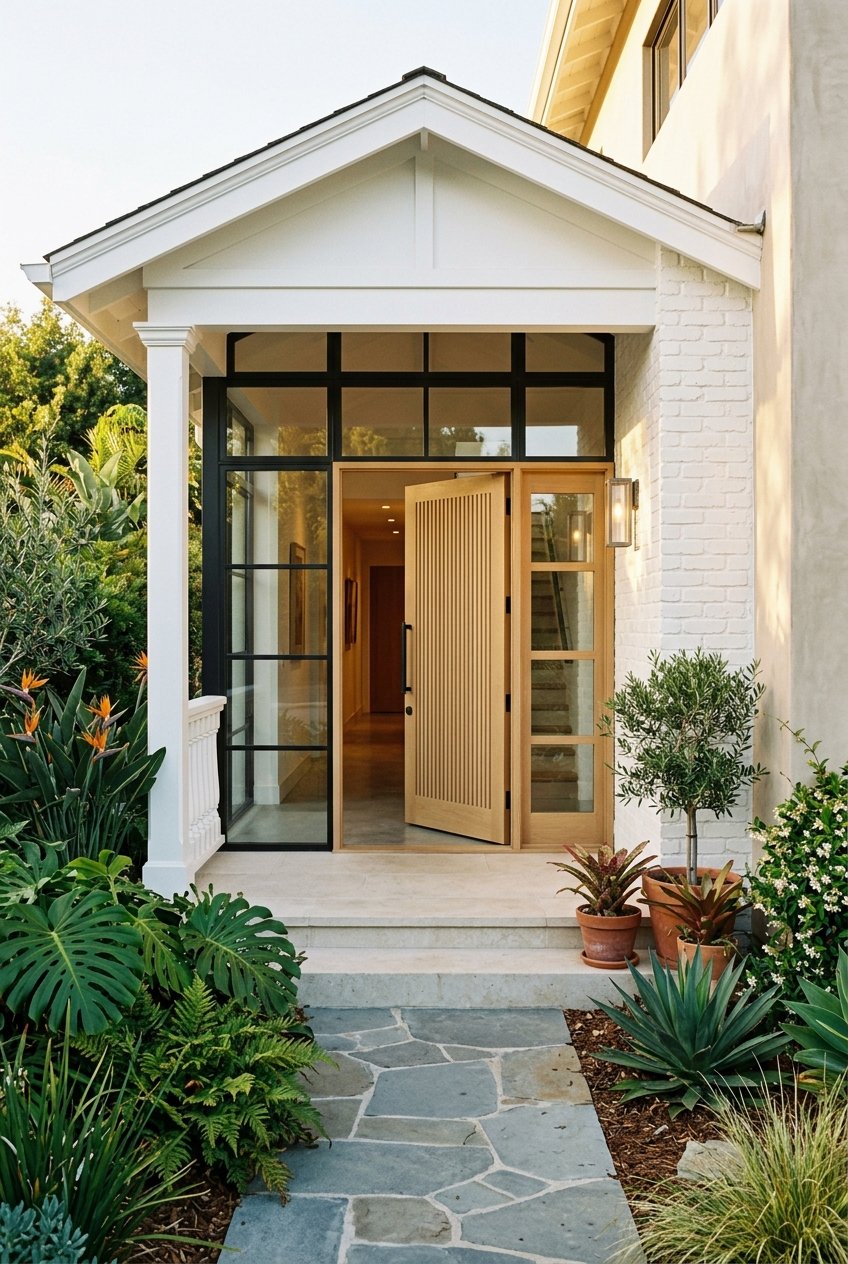
Winter Park Home Styles From Historic To Modern
If you have ever driven through Winter Park and thought, "How can one city have so many different kinds of homes?" you are not imagining it. Winter Park’s residential character was built in layers, from early cottages and 1920s-era bungalows to larger revival-style homes and newer infill construction. If you are buying here, understanding those layers can help you narrow your search, spot value, and choose a home style that truly fits how you want to live. Let’s dive in.
Winter Park does not have one single signature look. According to the city, its historic properties range from large estates to modest bungalow neighborhoods, and it has recorded more than 700 historic structures, which is about 7% of residential dwellings.
That variety is part of what makes the market so appealing. Instead of a uniform housing stock, you will find homes that reflect different development eras, architectural trends, and neighborhood patterns across the city.
The city’s historic survey shows that style often clusters by area rather than appearing at random. Historic-character areas include College Place, Virginia Heights, College Quarter, Palmer Avenue, Interlachen Avenue, and Golfview Terrace, while Hannibal Square and the Westside are noted for bungalow-rich streets with strong architectural integrity.
Some of Winter Park’s oldest surviving homes predate the better-known 1920s growth period. These early properties include Shingle Style, Queen Anne, Stick Style, and Italianate examples identified in the city’s historic resources survey.
These homes are part of Winter Park’s earliest residential layer, tied to its late-1800s grove house and winter cottage history. For buyers, they offer a chance to own a piece of the city’s earliest built environment, often with details and proportions that are hard to replicate in newer construction.
Because these styles are less common, they tend to stand out. If you are drawn to historic architecture, these homes can offer individuality and a strong sense of place.
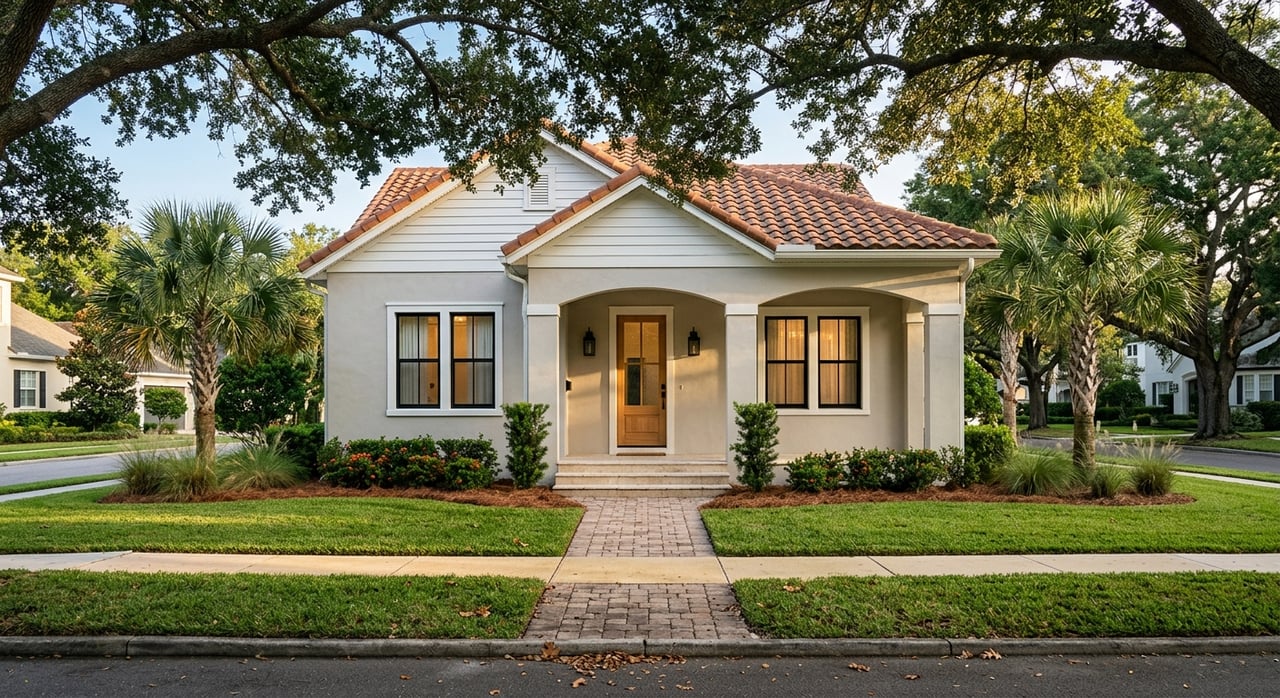
Among Winter Park’s most common historic home types, the bungalow stands out. The city survey says bungalows were one of the most prevalent styles built between 1904 and 1930.
In Winter Park, bungalows are often one to one-and-one-half stories and may include front porches, dormers, gable-end facades, inset porches, or exposed rafter ends. They were commonly built for middle- and working-class households and are especially associated with areas like College Place and Hannibal Square.
For many buyers, bungalows feel approachable and timeless. They often offer a strong connection to the street, practical layouts, and architectural details that add charm without feeling overly formal.
If your taste leans more classic and symmetrical, Colonial Revival homes are another key part of the Winter Park landscape. The city survey describes these homes as typically featuring symmetrical facades, central entrances, and porches or porticos.
Examples are highlighted in Golfview Terrace, north Interlachen Avenue, and along Palmer Avenue. Compared with bungalows, these homes often feel more formal and can read as larger, estate-like properties.
That difference matters when you are touring homes. A Colonial Revival property may appeal to you if you want traditional curb appeal, a more structured exterior, and a sense of architectural balance.
Winter Park is also known for Spanish Colonial, Mediterranean Revival, and Mission Revival architecture. These styles were among the city’s most prevalent between 1904 and 1930, according to the local survey.
Typical features include stucco walls, tile roofs, arches, balconies, loggias, towers, and decorative ironwork. These homes often feel especially at home in Central Florida, where light, texture, and outdoor spaces play such a big role in daily living.
The city notes that architect James Gamble Rogers frequently used Spanish Colonial or Mediterranean Revival forms for clients in Winter Park. Casa Feliz is a notable Spanish Eclectic example, and Rollins College contains the city’s largest concentration of Spanish Colonial-style buildings.
For buyers, these homes often deliver strong visual identity. If you want a home with architectural drama and a classic Florida feel, this category is worth close attention.
Not every home in Winter Park fits the most familiar categories. The city survey also identifies less common but notable examples of French Provincial, Tudor Revival, Art Moderne, and Art Deco.
These styles are not widespread in residential construction, but they add texture to the city’s architectural mix. In a market where many buyers want something distinctive, these rarer homes can be especially interesting.
If you are searching for a property with a more unusual look, it helps to work from style first, not just price or square footage. In Winter Park, architectural preference can significantly shape which streets and neighborhoods best fit your search.
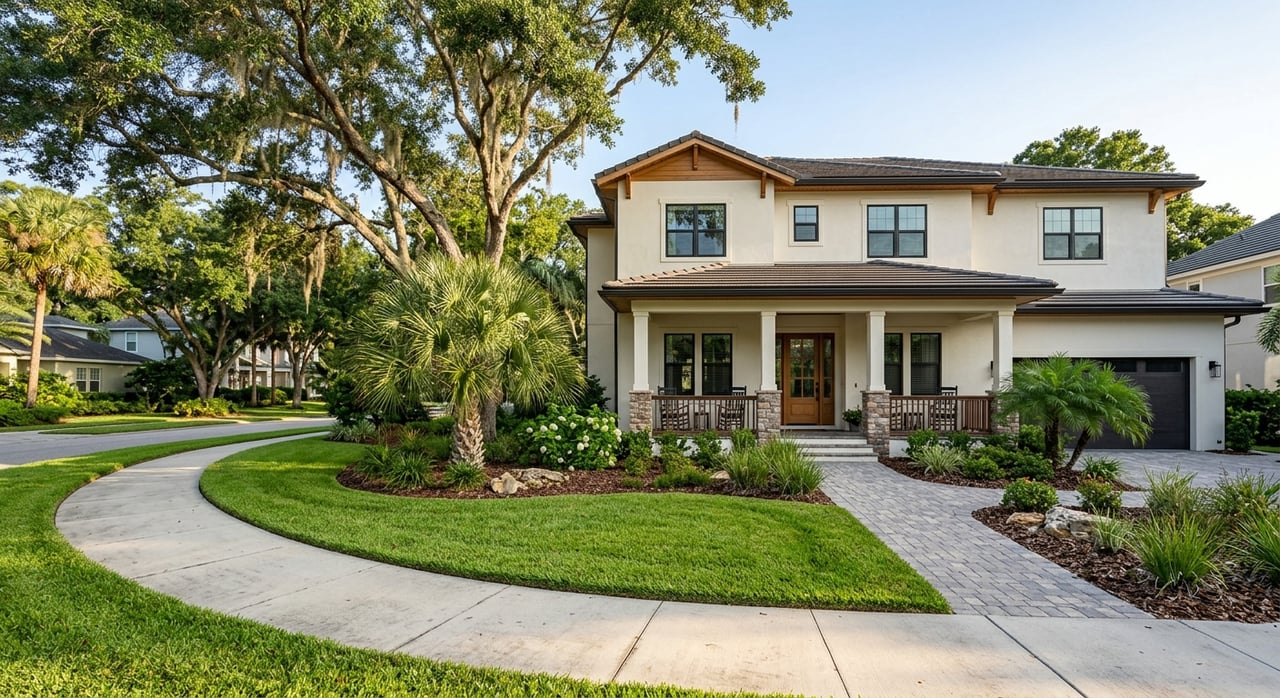
Winter Park’s home styles do not stop with historic architecture. The city survey notes that in the 1980s and 1990s, some large older properties were subdivided and some historic homes were replaced by larger new construction, creating a modern infill layer within older neighborhoods.
That means newer homes in Winter Park are often not located in brand-new master-planned areas. Instead, they may sit beside older homes or on redeveloped lots within established parts of the city.
This creates an interesting choice for buyers. You may be deciding not just between neighborhoods, but between different eras of construction on the same street or within the same general area.
One of the most important local rules buyers should understand is how new construction works in historic districts. Winter Park’s preservation guidance says new buildings do not have to copy historic architecture exactly.
Instead, they are expected to complement their surroundings by respecting height, materials, roof form, massing, setback, and the rhythm of openings. In simple terms, the goal is harmony with the surrounding context rather than imitation.
That matters if you are comparing a newer build with an older home nearby. A contemporary property may still feel at home in a historic setting if it follows those compatibility principles.
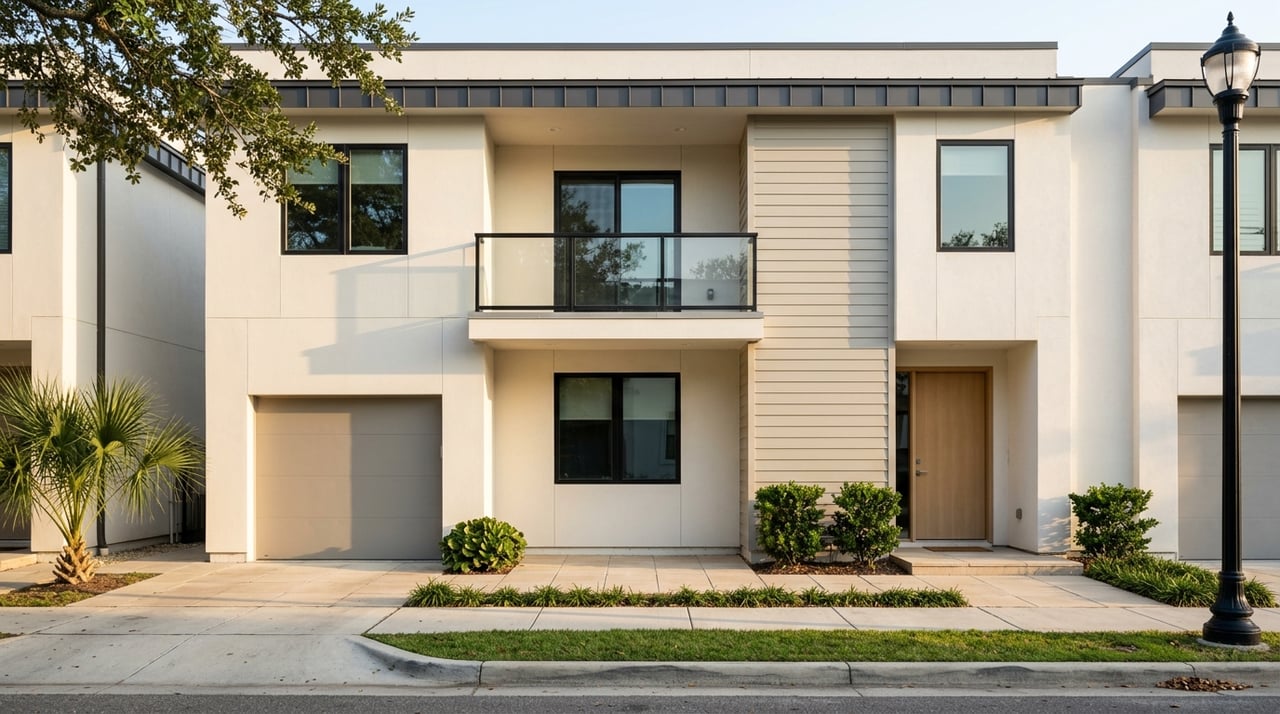
Attached housing is also part of Winter Park’s current mix. The city’s housing policy supports additional housing options where appropriate, along with compatible residential design and preservation of historic and architectural resources.
A recent city development report shows active townhouse projects in the pipeline, including a 53-unit townhouse rental project, 10 new two-story townhomes at Lake Spier Crossing, and 14 luxury townhomes at Vilasa. That tells buyers something important: Winter Park is not only about detached historic homes and estates.
If you want newer systems and potentially a simpler maintenance profile, townhomes and newer attached options may deserve a closer look. They offer a different ownership experience than older single-family properties, even within the same broader market.
Historic designation can sound intimidating if you have never owned an older home. In Winter Park, the city says historic designation is an overlay to zoning, not a separate tax category.
The city also states there are no fees for designation or review, designation does not affect property valuations, and owners are not required to restore a property simply because it is designated. That can ease some of the concern buyers feel when they first consider a historic property.
Still, exterior changes and additions are reviewed for compatibility, and the city emphasizes preserving character-defining features. If you are considering a historic home, it is wise to think ahead about your renovation goals and how much flexibility you want.
Historic ownership in Winter Park often means working with original details rather than replacing them. The city points to features like heart pine floors, fixtures, cypress paneling, and built-in elements as details many owners want to preserve.
That is part of the appeal. These materials and features can give a home warmth, craftsmanship, and authenticity that buyers may not find in newer properties.
At the same time, preserving original character usually takes more planning than starting from a blank slate. If you love historic homes, it helps to balance the romance of the architecture with the realities of maintenance, updates, and design review.
The right Winter Park home style depends on how you want to live. A bungalow may suit you if you value charm, a front-porch feel, and a lower-scale historic setting.
A Colonial Revival home may be a fit if you want a more formal look and traditional exterior symmetry. A Spanish or Mediterranean-style home may appeal if you are drawn to stucco, arches, tile roofs, and strong architectural personality.
Newer infill or townhomes may work best if you prefer newer construction, updated systems, and a more straightforward maintenance routine. In Winter Park, style is not just about appearance. It often shapes upkeep, future changes, and the feel of everyday living.
If you want help sorting through Winter Park’s historic homes, newer construction, or townhome options, Keith Renner can help you compare neighborhoods, property styles, and the tradeoffs that matter most to your lifestyle.
Expertise isn’t just about knowing the market—it’s about dedication to every client’s unique goals. At Nectar Real Estate, we pride ourselves on our ability to combine deep local knowledge with an unwavering commitment to providing exceptional service.